
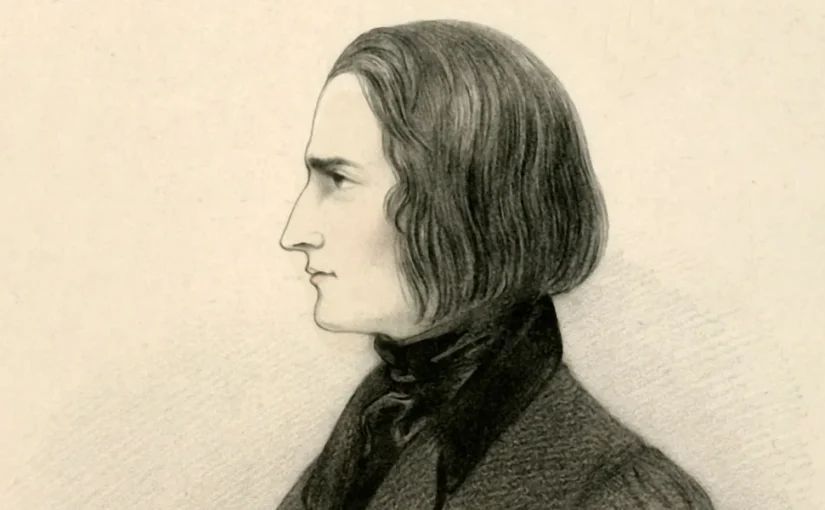
“And thus, frequently, I picture him to myself, not Franz
Elise Polko
Liszt, the grave priest, but Franz Liszt, the incomparable artist.”
1845. The height of Liszt’s celebrity fame. Just a few years ago, Liszt lived a relatively hassle-free life in Paris, enjoying aristocratic privileges as a commoner and performing for a select few in salons. Liszt’s friends Chopin and Mendelssohn had not yet forsaken him and his increasingly radical musical style. His scandalous relationship with Marie d’Agoult had not yet soured because of Liszt’s obsession with various artistic motives. All of that changed in 1841 when Liszt began his Berlin concerts. Unbeknownst to him, the popularity of these few performances would bring him on a grueling, tiresome seven-year tour of Europe, travelling from the Pyrenees to the Ural Mountains.
Liszt had toured extensively as a prodigy in his youth, showcasing his special talents on the then-inferior piano (many Europeans still saw the violin and the church organ as the only “proper” solo instruments). His father, Adam Liszt, presided over the financial and logistical aspects of his performances. Together in the 1820s, the duo first ventured to Sopron and Pressburg, then, after a brief few years of Liszt’s first formal musical studies in Vienna, to Munich, Strasbourg, Stuttgart, and many other major independent German cities. After an especially successful period of touring in England and France, Liszt earned the nickname “Le petit Litz,” and many concert programs named him “Master Liszt.” He even allegedly received a kiss of consecration from Ludwig van Beethoven, who saw in the young Hungarian a future for the piano. However, he had not yet composed much, relying mainly on the existing classical repertoire, such as Hummel’s piano concertos. After his father’s passing and suffering a mental breakdown following romantic troubles with his student Caroline de Saint-Cricq, Liszt found a home in the revolutionary city of Paris.
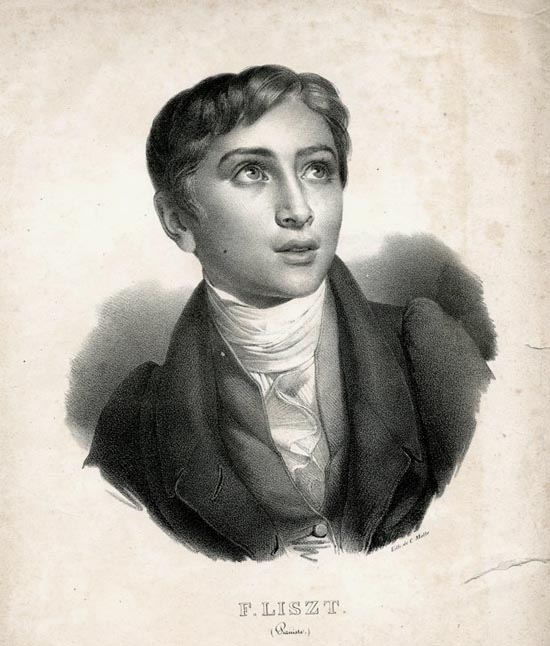
Between these early tours and the grand tour of the 1840s, Liszt had composed numerous notable and acclaimed works. Each composition after the other further solidified the fame of Liszt’s special quirks of piano playing. These dashing and bold works drove the audience into frenzy, leading Heinrich Heine to dub it “Lisztomania”: tickets sold out at unprecedented speeds, and women would reportedly swoon and faint during performance, with some collecting Liszt’s hair, sweat, or leftover cigar butts in small vials. It is impressive, therefore, that amid these hectic events, Liszt would decide to spend his precious free time composing a set of relatively easy and simple studies that would serve no major use in his large-scale concerts (excepting encores or unexpected opening preludes).
Liszt composed the Three Concert Etudes S.144 (Trois études de concert) beginning in 1845 and later published them in 1849. He named its second French edition the Trois caprices poétiques, perhaps as a nod to the violinist Niccolò Paganini’s 24 Caprices. The manuscript simply marks each piece as “I,” “II,” and “III,” with seemingly arbitrary Italian titles assigned in a later publication. The études are then called “Il Lamento,” “La Leggierezza,” and “Un Sospiro” respectively, out of which only the last frequently sees the light of the concert stage. They remain arguably unmatched in lyricism, even in competition with popular Chopin counterparts, as the technical difficulties fade into the beautiful melodic lines. Liszt dedicated the pieces to Eduard, his uncle, who had handled Liszt’s business affairs in the music industry for over thirty years until he died in 1879.
The first étude, “Il Lamento” or “The Lament,” is keyed in A-flat major. Marked “A Capriccio,” Liszt regarded the first piece as a quietly cheering and near-whimsical composition. Plenitudes of “appassionato” labels paired with the “cantabile” mark opening the post-introductory sections firmly echo the piece’s song-like nature. Variations of the theme continue into a rather standard Lisztian development, extending far into foreign modulations before arriving back into the native tonic. “Il Lamento” is so distinctively Liszt: simply analyze the right hand, where the melody begins in the soprano pinky-finger while both blocked chords and broken arpeggiations hum in the alto and bass. The melody is then effectively doubled into an octave with complementary middle voices, repeated in the second and third fingers of the right hand. Finally, at the first major climax, the right hand falls into a passionate no-harmony octave passage. In contrast, the left hand jumps up from a bass octave every major beat into repeated diminished sevenths. Obvious parallels appear in other compositions like “Vallée d’Obermann.”
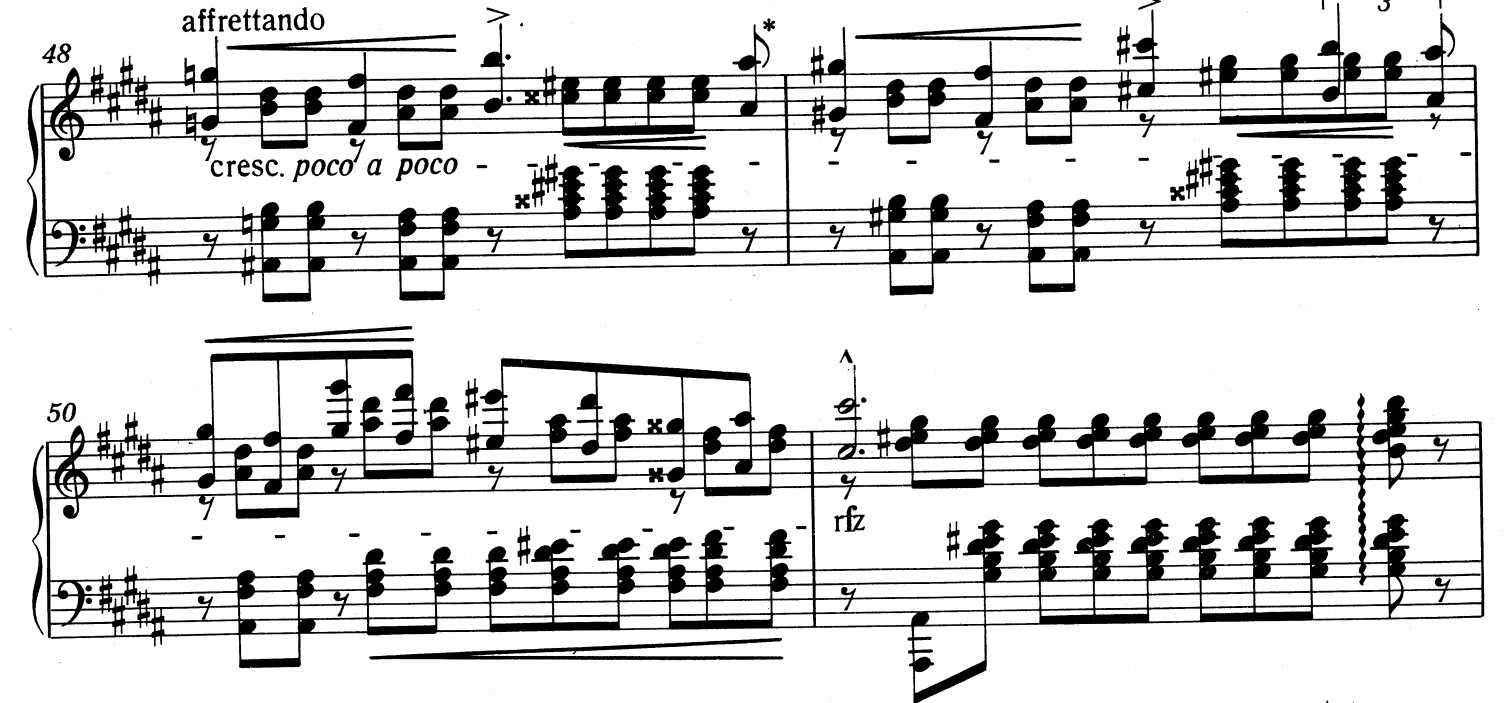
The bright breakthroughs give way to a fading series of arpeggios in parallel motion. The melody remains clear throughout the sections marked “con intimo sentimento,” even growing into a false repeated climax as the right hand evolves into octaves again. Liszt finally signals the piece’s closure with a recapitulation of the introduction, including the same harmonic cadenza-esque runs.
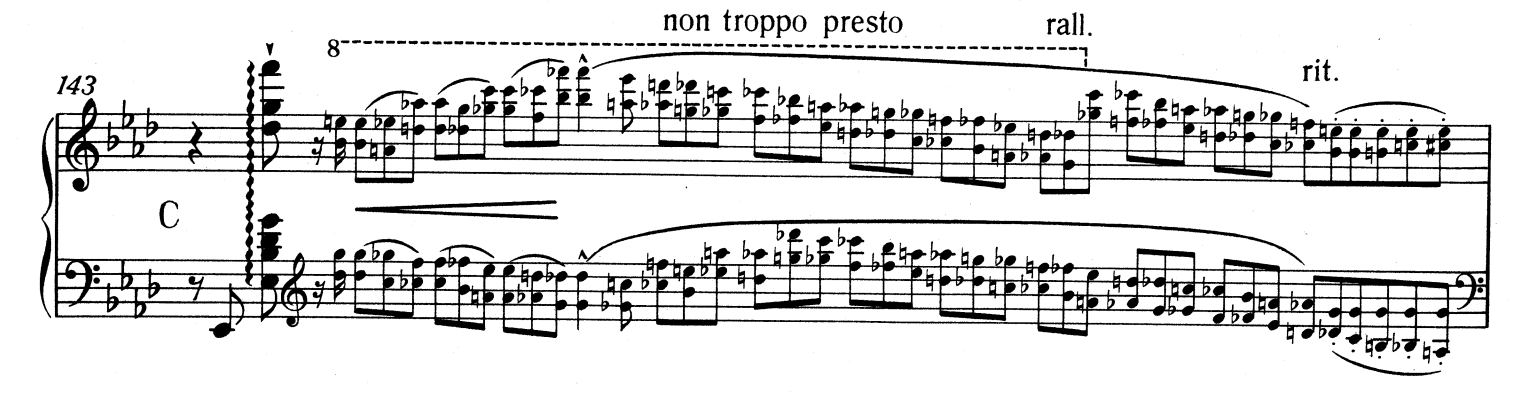
“La Leggierezza,” or “lightness,” in F minor, begins similarly with a short capriccio that quickly takes on the expositional theme. It begins with a speedy, delicate chromatic arpeggio, split into thirds and sixths in a somewhat irregular rhythm. The beginning echoes the title of the piece, bringing clarity and simplicity through the single-line, monothematic nature of the composition. The tempo indicates “Quasi allegretto,” a pace starkly slower than the tempo at which most performers play.
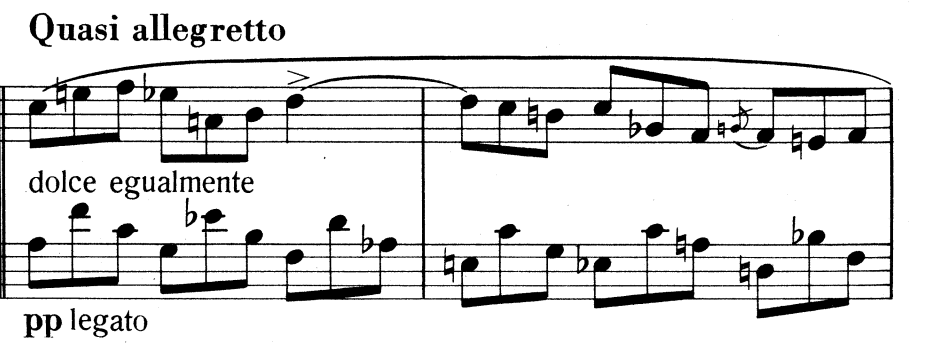
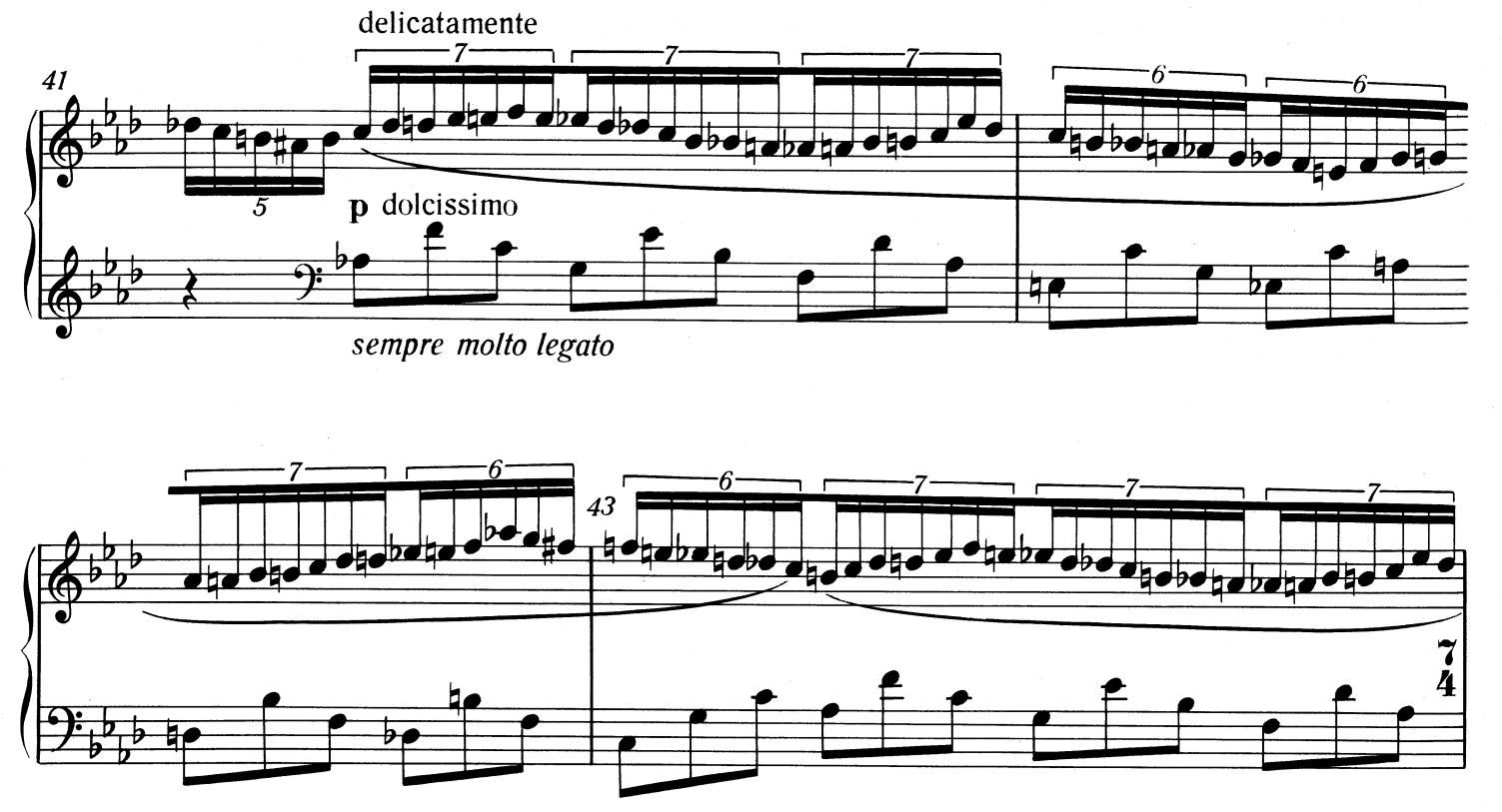
By the central, pre-climactic sections, Liszt somewhat thickens the texture with sparse sixths, though the gossamer aura characteristic of “lightness” remains evident. The richness breaks off into a cadenza of the right hand, beginning as a rapid chromatic descent that slows into the secondary elaboration of the theme. Liszt emphasizes the importance of lightness: “delicamente,” “dolcissimo,” and even a “sempre molto legato” for the smooth triplet left-hand. Though Liszt technically writes 7-on-3 polyrhythms, the nature of the tempo and piece calls for an organic approach to the rhythm, not a mechanical one. An ossia, chosen in almost all modern recordings, demands minor third runs for the right-hand.
“La leggierezza” ends sentimentally in drawn-out chords, but the score often includes an alternative ending by Polish teacher Theodor Leschetizky. The coda was once quite popular, retaining Liszt’s own Picardy cadence. One of his students, Paderewski (famous for the Chopin editions), famously recorded this ending.
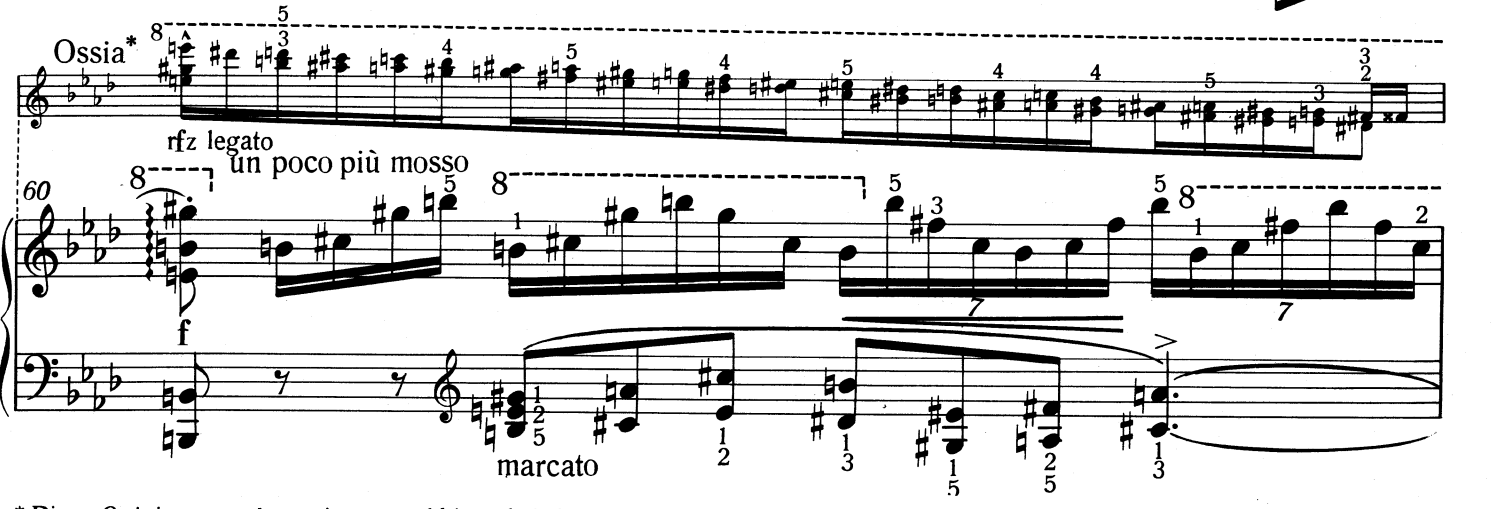
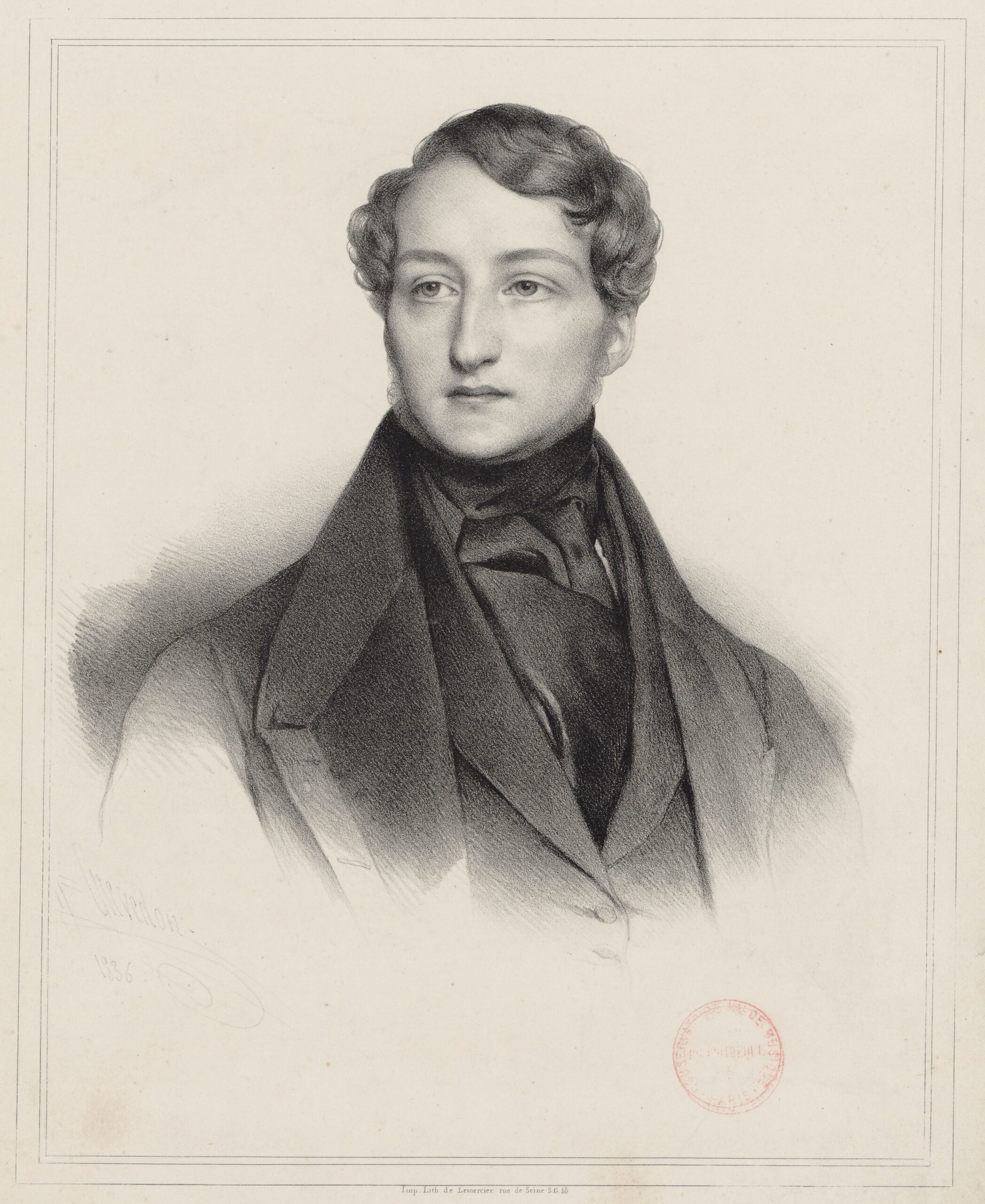
The third étude, the famous “Un Sospiro,” dominates the recital hall. In D-flat major, “Un Sospiro” focuses on arpeggios with melodies intertwined between hands. The piece serves as an elementary introduction to the three-hand effect, a technique in which sweeping arpeggios interweave with one-note or chordal middle-register melodies and accompany a simple, rich bass line, creating the illusion of the pianist having three hands. “Un Sospiro” lacks some of the three-hand factor as compared to Thalberg (the most famous three-hand effect pianist), however, because in an attempt to keep the étude accessible to pianists, Liszt had to simplify much of the left-hand bass accompaniment, thus making it sound more like a “two-and-a-half-hand effect.”
The flowing arpeggios mix with a dramatic, ever-changing melody to evoke the romantic thought of a prolonged, emotional sigh. “Armonioso” (and a later marking “cantando” in a specialized third staff clarifying the melody) and “poco agitato” indicate both the singing aspect of the melody and Liszt’s intention of creating drama. In the middle, Liszt writes a small cadenza section where he temporarily relinquishes the three-hand pattern. As if Liszt had to tie together all of these études, he again includes a descending chromatic run right before the repeat of the three-hand section.
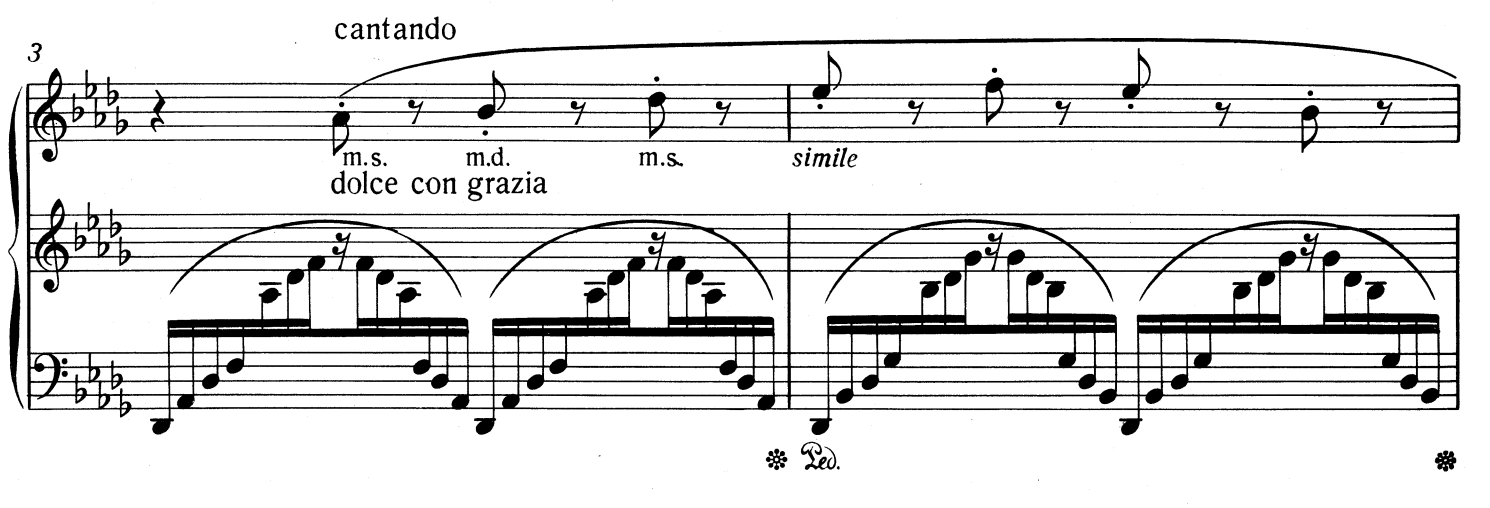
Finally, in the “Un poco più mosso” finale, the music calms down into simpler arpeggios in the right hand, with only the thumb playing the melody. After another brief return of the “two-and-a-half-hand,” slow half-note chords signal the end of the piece. The “sigher” clearly has run out of breath and, with great effort, musters the one final mutter that is the tonic with a slow, rolled bass.
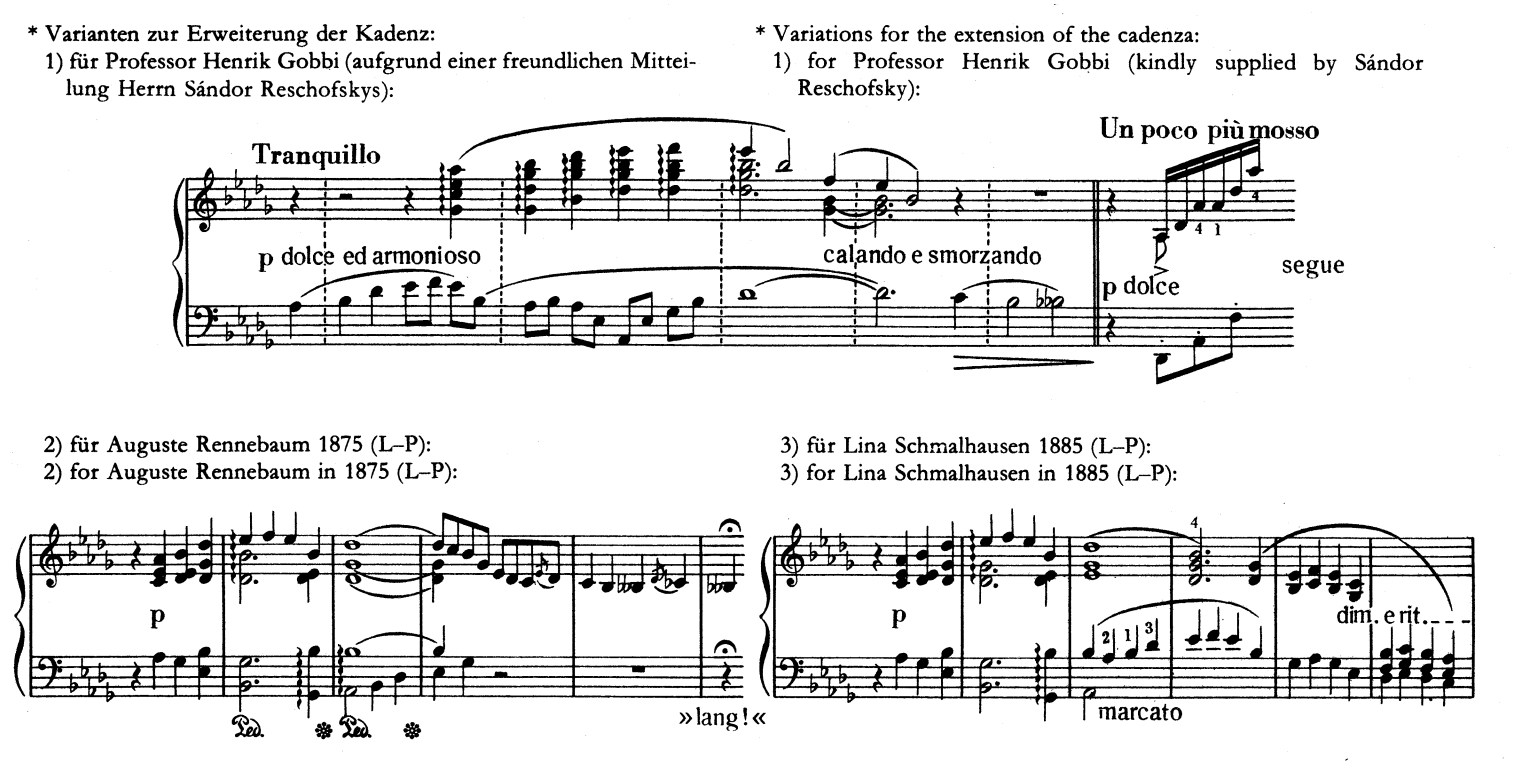
Liszt wrote many optional cadenzas for the music that he often performed during masterclasses at the fermata before the final section. He wrote one for Auguste Rennebaum in 1875, another for Lina Schmalhausen in 1885, and one for Henrik Gobbi in some unknown year. In the alternative coda included in Lina Ramann’s Liszt-Pädagogium, the progressions in transitions are in the right hand; Liszt added a descending whole-tone scale in the left hand.
The Trois études de concert, and specifically “Un Sospiro,” remain in common practice for the mix of Liszt’s staple virtuosity and admirable tenderness. They add a flair of diversity and accessibility to Liszt’s extensive oeuvre of other études, and stand as some of the most inspirational and original works of his Glanzzeit era.
